Bedroom furniture supports rest, storage, and everyday routines through pieces designed around comfort, function, and room layout. Beds provide the central sleeping platform, while coordinated bedding—including pillows, sheets, and duvet covers—helps create a comfortable sleep environment. Material choices, proportions, and ease of care are important considerations when planning a bedroom.
A well-planned sleeping area pairs a suitable bed frame with a mattress that meets individual comfort and support needs. Organic mattresses are one option for people evaluating material sourcing and construction. Clearances around the bed, mattress dimensions, and access to storage also affect how easily furniture fits and functions in a bedroom.
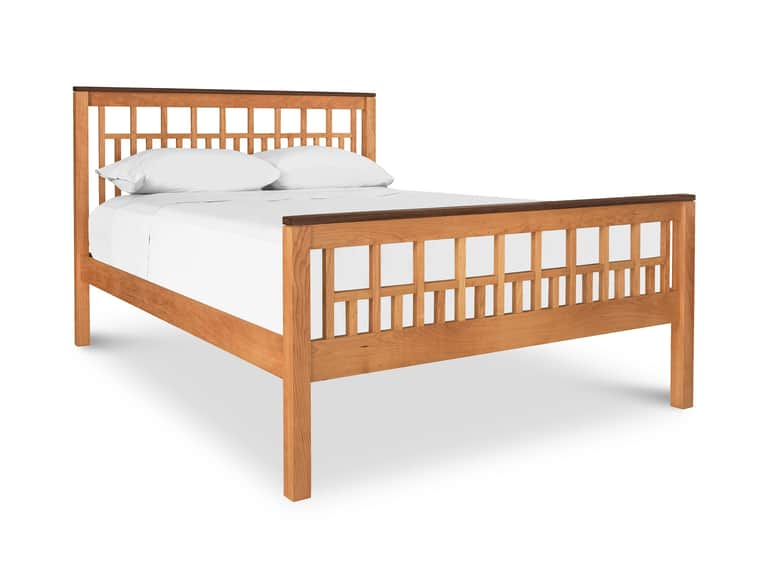
The Modern American Trellis Bed is identified by a trellis-inspired design that can give a bedroom a structured visual focal point. Its bed-frame function supports a mattress and defines the sleeping area, while the patterned detail adds architectural character. Coordinating simple sheets, pillows, or duvet covers can balance the frame’s distinctive lines.
The Pendant Bed offers a separate design direction within bedroom furniture, with a name that suggests a pendant-inspired visual treatment. As a bed, it provides a dedicated foundation for a mattress and helps organize the room around sleep. Considering its silhouette alongside bedding, floor space, and other furnishings supports a cohesive and practical layout.
When assessing bedroom furniture, consider frame dimensions, mattress compatibility, construction materials, and the space needed for movement and maintenance. Bedding such as breathable sheets, supportive pillows, and appropriately sized duvet covers contributes to daily comfort. These factors help connect bed design with practical sleep needs, including the use of organic mattresses.
 Furniture
