A Practical Guide to Vegan-Friendly Bedding Materials: What to Know Before You Buy
Discover the essential vegan-friendly bedding materials and certifications that help you sleep clean and sustainably. This guide explains fiber choices, certifications, and what to look for when comparing brands like Naturepedic, Obasan, and Sleep and Beyond. We combine expert insight, brand highlights, and a narrative through diverse voices from different eras to illuminate the evolving world of cruelty-free sleep.
Introduction: The Promise of Vegan Bedding
The quest for a truly vegan bedroom goes beyond a single material choice. It is a holistic approach that aligns comfort, health, and ethics. In recent years, forward-thinking brands have embraced plant-based fibers, certified organic processes, and transparent supply chains to create bedding that respects animals, people, and the planet. When you choose vegan-friendly bedding, you’re not just selecting textiles—you’re embracing a lifestyle that values transparency, sustainability, and well-being at every layer of your sleep environment.
At the center of this movement are materials that can deliver luxurious comfort without compromise. Organic cotton, PLA-based plant fibers, and organic latex are among the most common vegan options. Each has unique properties in terms of breathability, resilience, moisture management, and temperature regulation. The right combination depends on your sleeping style, climate, and any sensitivities you might have.
Key Materials for Vegan Bedding
Organic Cotton
Organic cotton is a cornerstone of vegan bedding due to its natural softness, breathability, and chemical-free processing. It forms the basis of duvet covers, sheets, and pillowcases that feel indulgent against the skin while remaining gentle on the environment. Look for GOTS certification to ensure that the textile meets stringent ecological and social criteria from farm to finished product.
PLA-based Plant Fibers
PLA (polylactic acid) fibers represent a plant-based alternative to traditional synthetics. Derived from renewable resources like sugarcane, PLA offers moisture-wicking properties and a smooth hand feel. In pillows and certain fillings, PLA can provide a crisp, lightweight comfort with a lower environmental footprint than conventional foams.
Organic Latex
Organic latex provides durable, responsive support with natural elasticity. When sourced from certified organic suppliers, latex helps maintain spinal alignment while offering temperature regulation. It pairs well with organic cotton covers and other vegan textiles to create a breathable, long-lasting sleep surface.
Wool (Organic, Plant-based Alternative)
Some vegan-friendly options include wool from certified sources that meet animal-welfare standards and are processed without harmful chemicals. Wool is renowned for temperature regulation and moisture management, which can contribute to a cooler, drier night’s sleep when used carefully in pillows and toppers that fit a vegan ethos.
Certifications That Matter
When evaluating vegan bedding, certifications help you verify that products meet ethical and environmental standards. The most important ones include:
- GOTS (Global Organic Textile Standard) — Confirms organic status across the supply chain and restricts harmful chemicals, ensuring ecological and social criteria are met.
- GOLS (Global Organic Latex Standard) — Certifies organic latex materials used in pillows and toppers, ensuring purity and ethical sourcing.
- OEKO-TEX — Tests for harmful substances in textile components, providing an added layer of safety for sensitive sleepers.
- Vegan Certifications — Marks products that are free from animal-derived materials and not tested on animals, often part of brand claims for certain pillows and textiles.
These certifications help you compare products with confidence, especially in a market crowded with overlapping terminology and branding. Brand transparency—explaining where fibers come from, how they are processed, and what standards they adhere to—becomes a crucial factor in your decision-making process.
Brand Highlights: How Leading Brands Implement Vegan Materials
Three brands frequently cited for vegan-friendly bedding are Naturepedic, Obasan, and Sleep and Beyond. Each brings a distinct approach to materials, certifications, and product design, reflecting different time periods and design philosophies in the evolution of ethical sleep.
Naturepedic
Innovator of organic cotton and PLA-filled pillows and toppers
Naturepedic emphasizes chemical-free materials and plant-based fills such as PLA, delivering pillows and bedding that align with vegan sensibilities. Their products highlight certifications like GOTS and plant-based fillings while avoiding toxic flame retardants and synthetic foams. The Organic Cotton and PLA Pillow and the Organic Cotton and PLA Travel Pillow illustrate how a vegan-friendly line can balance comfort, safety, and sustainability.
Sleep and Beyond
GOTS-certified organic cotton sheets and duvet covers
Sleep and Beyond demonstrates how a vegan-leaning product line can emphasize certified organic cotton, fair trade practices, and durable, climate-friendly fabrics. Their 100% Organic Cotton Sateen Duvet Cover Set and MySheet sets showcase how a brand can deliver luxurious textures (like sateen) while upholding a cruelty-free, environmentally conscious approach. Packaging is often reused or biodegradable, reinforcing sustainability at every touchpoint.
Obasan
Organic wool and latex pillow specialists with vegan-friendly textiles
Obasan brings a nuanced take on vegan-friendly rest by offering organic wool and latex options that prioritize natural materials and responsible sourcing. Their Deluxe Organic Latex and Wool Pillow demonstrates how natural fibers can be combined for customizable support without synthetic foams or animal-derived components. The emphasis on GOTS-certified fabrics ensures a secure environmental footprint.
These brands illustrate a trend toward transparent materials, certifications, and ethical manufacturing—an evolution that readers can trace across decades of textile innovation. The focus remains on comfort, durability, and non-toxic environments, all central to a vegan sleep sanctuary.
A 3-Phase Guide to Shopping Vegan Bedding
- Phase 1: Define Your Vegan Priorities — Decide which materials matter most to you: organic cotton, plant-based fills, or organic latex. Consider allergy concerns, climate, and sleep position to guide your choices.
- Phase 2: Decode Certifications — Prioritize GOTS for textiles, GOLS for latex, and OEKO-TEX for toxin testing. Look for explicit vegan certifications when applicable and review brand disclosures about animal-derived components.
- Phase 3: Inspect Product Details — Read fabric weights, thread counts, weave types (percale vs. sateen), and care instructions. Compare packaging sustainability and whether the brand supports ethical manufacturing practices.
As you compare products like the Sleep and Beyond 100% Organic Cotton Sateen Duvet Cover Set, you’ll see how these factors manifest in real-world offerings. This duvet cover set showcases a luxe 300-thread-count cotton sateen with GOTS certification, a strong signal to eco-minded shoppers that style and ethics can coexist.
Three Protagonists: Voices from Different Time Periods
To illuminate the trajectory of vegan bedding, consider three influential figures whose ideas resonate across eras: a historical health advocate, a mid-20th-century lifestyle reformer, and a contemporary entrepreneur shaping sustainable textiles.
Florence Nightingale (1820–1910)
Pioneer of modern nursing and hygiene
Nightingale’s emphasis on sanitary environments laid the groundwork for how we think about clean bedding and infection prevention. Her advocacy for sanitation and meticulous care established a moral framework that later influenced consumer expectations around safe, chemical-free textiles. While she lived before the modern textile certifications, her legacy echoes in the value we place on purity, care, and the elimination of harmful substances from everyday life.
Rachel Carson (1907–1964)
Conservationist whose writings spurred environmental awareness
Carson’s Silent Spring shifted cultural norms toward planetary stewardship. Her advocacy for reducing chemical exposure became a touchstone for later organic and non-toxic textiles. In the context of vegan bedding, her influence underpins the movement toward certifications like GOTS and OEKO-TEX as practical tools for minimizing environmental and health risks in household textiles.
Ava DuVernay (born 1972)
Filmmaker and activist advancing ethical storytelling and sustainable practices
In the contemporary era, leaders like DuVernay champion responsible production and transparent supply chains. Her ethos translates into the modern bedding market as brands openly sharing fiber sources and certification credentials, empowering consumers to make choices that align with vegan ethics, labor fairness, and ecological accountability. Her perspective underscores the importance of consumer advocacy in driving brands toward stronger, more ethical practices.
A Practical Home Page Concept: The Vegan Bed Philosophy
Imagine a homepage that speaks with calm authority to vegan sleepers: a hero statement that reads, “Sleep clean. Sleep kind. Sleep vegan.” The navigation offers sections like Materials 101, Certifications 101, Brand Spotlights, How-To Guides, and Reader Stories. Each page reinforces the central mission: to educate without selling, presenting transparent comparisons and science-based guidance. A non-commercial stance invites trust and fosters a community built on knowledge rather than impulse buying.
In practice, this means presenting robust, editorial-style content with editorial photography and concise product data that help readers understand what sets a product apart. For instance, a product spotlight might feature Sleep and Beyond 100% Organic Cotton Sateen Duvet Cover Set, with direct details about fiber origin, weave, certification, and care—paired with neutral, factual explanations about why it fits a vegan lifestyle.
Sample Article: The Interplay of Material Choice and Sleep Quality
Material choice isn’t just about ethics; it’s about how your bedding feels, regulates temperature, and lasts through countless nights. Organic cotton tends to be soft and breathable, ideal for those who sleep warm. PLA fibers provide moisture-wicking properties, offering a crisper feel for some sleepers. Organic latex delivers resilient support with long-term durability, and wool (where included in vegan lines) brings natural temperature regulation. The trick is to balance these attributes to match your sleep position, climate, and preferences.
Consider a layered setup: a duvet cover and sheet set in organic cotton, a pillow with PLA or organic latex fill, and a topper or protector designed with a vegan-friendly membrane. This combination can deliver a luxurious sleep surface while honoring vegan principles. Always verify certifications and read care instructions to maximize longevity and minimize environmental impact.
Product Spotlight: Sleep and Beyond 100% Organic Cotton Sateen Duvet Cover Set
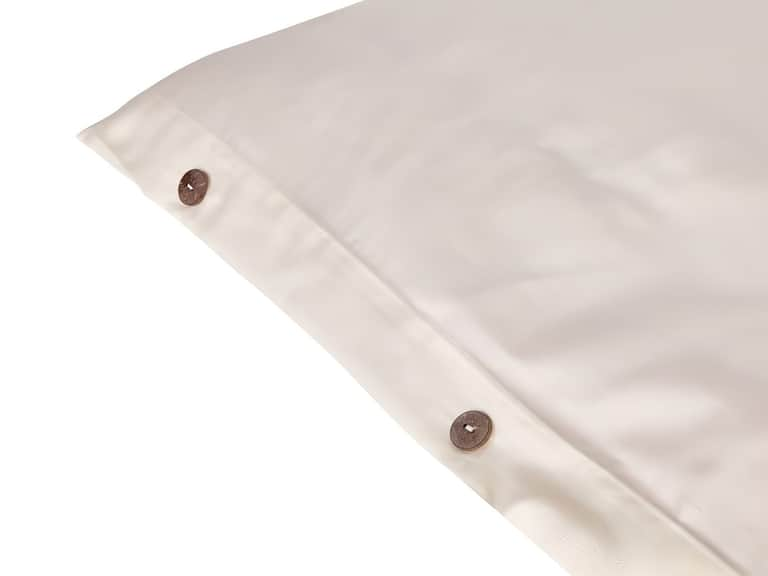
This duvet cover set is woven from 300-thread-count organic cotton sateen, providing a silky, luxurious feel without compromising ethical standards. It comes in a recyclable, biodegradable package and includes a duvet cover plus two shams (one sham in twin). The product carries a GOTS certification, ensuring organic status across the supply chain and responsible processing.
Sizes span Twin, Full/Queen, and King, accommodating a range of bed configurations. The packaging and production ethics reflect a commitment to sustainability, making it a strong exemplar of vegan-friendly bedding that prioritizes both comfort and planet-friendly practices.
Note: As a non-commercial, educational resource, this article highlights the product to illustrate what vegan-friendly bedding can look like in practice. Always verify current specifications and certifications directly from the brand.
Conclusion: Building a Calm, Cruelty-Free Sleep Culture
Choosing vegan-friendly bedding materials is more than a shopping decision; it is a daily commitment to a cleaner, kinder world. By prioritizing certifications, understanding fiber properties, and examining brand practices, you can curate a sleep environment that supports your health, ethics, and comfort. The journey from Nightingale’s hygiene principles through Carson’s environmental advocacy to today’s transparent, vegan-friendly brands demonstrates a long arc toward conscious consumerism. Your bed can be a sanctuary where comfort, ethics, and science intersect, night after night.
This article references products and brand concepts for illustrative purposes within a non-commercial, educational framework on vegan bedding materials.